
Essential Sewing Techniques for Perfect Dressmaking Projects
- Deborah Haswell
- Nov 4, 2025
- 4 min read

Creating a beautiful dress requires more than just fabric and a pattern. Mastering essential sewing techniques can transform your dressmaking projects from ordinary to exceptional. Whether you are a beginner or have some experience, understanding these techniques will help you achieve clean finishes, accurate fits, and professional results.
Sewing a dress involves many steps, from preparing the fabric to adding final touches. This guide covers the most important techniques you need to know to sew dresses that look polished and fit well. You will find practical tips, clear explanations, and examples to help you apply these skills in your next project.
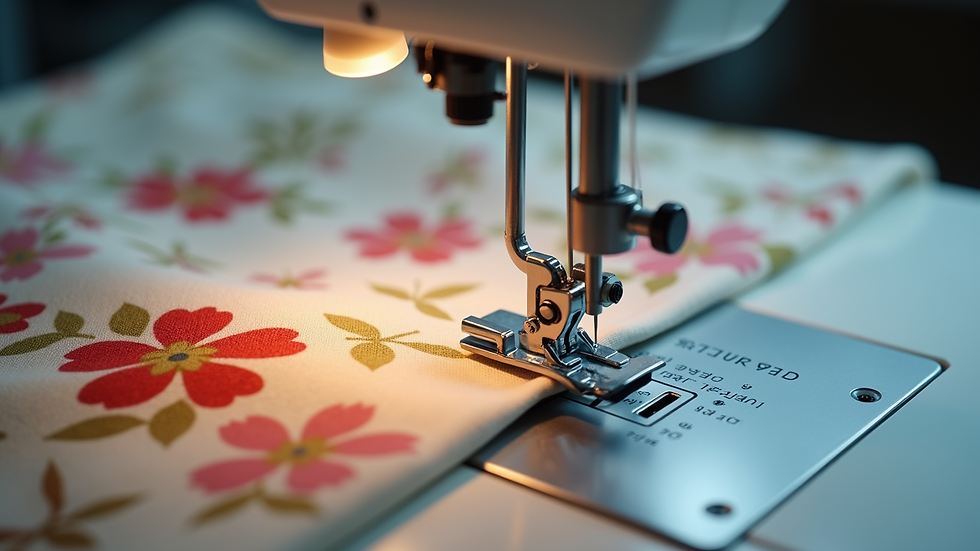
Preparing Your Fabric and Pattern
Before you start sewing, preparation is key. Proper fabric handling and pattern layout set the foundation for a successful dress.
Prewash your fabric to avoid shrinkage after the dress is made. Some fabrics, like cotton, shrink more than others.
Press the fabric to remove wrinkles, making it easier to cut accurately.
Lay out your pattern pieces carefully on the fabric, following grainlines and fold lines. This ensures the dress hangs correctly.
Use pattern weights or pins to secure the pattern pieces without shifting.
Cut with sharp fabric scissors or a rotary cutter for clean edges.
Taking time on these steps prevents mistakes and saves time later.
Mastering Basic Stitches
Sewing machines offer various stitch types, but some are essential for dressmaking.
Straight stitch is the most common and used for seams.
Zigzag stitch finishes raw edges to prevent fraying.
Backstitching secures the start and end of seams.
Basting stitch is a long, temporary stitch used to hold pieces together before final sewing.
Practice sewing straight, even stitches on scrap fabric to build control. Consistent stitch length improves the garment’s durability and appearance.
Sewing Seams with Precision
Seams hold your dress together, so sewing them accurately is crucial.
Use the correct seam allowance as indicated by your pattern, usually 5/8 inch (1.5 cm).
Pin or clip fabric layers evenly before sewing.
Sew slowly near curves or corners to maintain control.
Press seams open or to one side after sewing for a flat finish.
Use a serger or zigzag stitch to finish raw edges and prevent fraying.
For curved seams, like princess seams or armholes, sew with a steady hand and clip the seam allowance to help the fabric lie flat.
Inserting Zippers Smoothly
Zippers are common closures in dresses but can be tricky to install neatly.
Choose the right zipper type: invisible zippers for a seamless look or regular zippers for casual styles.
Mark the zipper placement on the fabric using tailor’s chalk or pins.
Use a zipper foot on your sewing machine for close stitching.
Baste the zipper in place before sewing permanently.
Sew slowly and carefully to avoid puckering.
Press the zipper area gently after installation.
Invisible zippers require extra care to keep the stitching hidden. Practice on scrap fabric to build confidence.
Creating Professional Hems
A well-finished hem gives your dress a polished look.
Decide on the hem type: double-fold hem, rolled hem, or blind hem.
For a double-fold hem, fold the fabric edge twice and press before stitching.
Use a blind hem stitch for an invisible finish on delicate fabrics.
Press the hem after sewing to set the stitches.
For lightweight fabrics, consider using hem tape for extra support.
Measure the hem length carefully before folding to ensure the dress falls evenly.
Adding Darts and Pleats for Shape
Darts and pleats shape the dress to fit the body contours.
Mark dart points and lines clearly on the fabric.
Fold the fabric right sides together along the dart line.
Sew from the wide end to the point, tapering the stitch.
Press darts toward the center or side seams.
Pleats should be folded evenly and pinned before sewing.
Press pleats flat or in the direction specified by the pattern.
These techniques add dimension and improve the fit of your dress.
Attaching Sleeves with Ease
Sleeves can be challenging, especially set-in sleeves.
Stay-stitch the sleeve cap to prevent stretching.
Ease the sleeve cap into the armhole by sewing with small gathers.
Pin the sleeve evenly around the armhole.
Sew slowly, adjusting fabric to avoid puckers.
Press the seam allowances toward the sleeve.
For raglan or kimono sleeves, the process is simpler but still requires careful pinning and sewing.
Using Interfacing for Structure
Interfacing adds strength and shape to areas like collars, cuffs, and waistbands.
Choose the right interfacing type: fusible for easy application or sew-in for delicate fabrics.
Cut interfacing pieces slightly smaller than fabric pieces.
Apply fusible interfacing with an iron, following manufacturer instructions.
Press after application to set the bond.
Interfacing prevents stretching and keeps your dress looking crisp.
Finishing Touches with Buttons and Buttonholes
Buttons add both function and style.
Mark button placement accurately.
Use a buttonhole foot on your machine for neat buttonholes.
Sew buttonholes slowly and evenly.
Attach buttons securely with tight stitches.
Reinforce button areas with extra fabric or interfacing if needed.
Practice buttonholes on scrap fabric to avoid mistakes on your dress.
Tips for Pressing and Final Fit
Pressing is often overlooked but essential for a professional finish.
Use a pressing cloth to protect delicate fabrics.
Press seams flat, not iron back and forth.
Use steam to shape darts and pleats.
Try the dress on before final hemming to check fit.
Make adjustments as needed for comfort and style.
Good pressing makes your dress look crisp and well-made.
Mastering these essential sewing techniques will improve your dressmaking projects significantly. Each step, from fabric preparation to final pressing, contributes to a polished garment you can be proud of. Take your time, practice regularly, and enjoy the process of creating beautiful dresses.
Start your next dressmaking project with confidence by applying these skills. Your perfect dress is within reach.

Comments